Human Hair vs Synthetic Extensions: Is Human Hair Worth It?
Human hair and synthetic extensions compared on look, heat styling, lifespan and cost per wear, so you can decide which is worth it for how you plan to wear them.
Journal / Hair quality
Single-donor hair comes from one person, so color, texture and thickness stay even. Here is what the term means, how it differs from mixed hair, and what to ask.
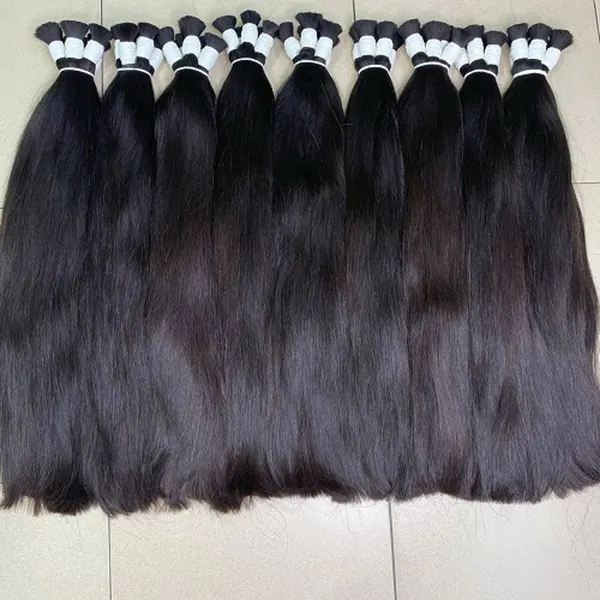
Two bundles can both be labeled 100% human hair and still look very different once they sit next to your own hair. One of the biggest reasons is whether the hair came from one person or many.
In short: single-donor hair is hair cut from one person and kept together from collection to finished piece. Every strand shares the same natural color, texture and thickness, so the piece looks like one continuous head of hair and blends more naturally with yours than hair mixed from several donors.
Single-donor hair is human hair that comes from one person’s ponytail. The ponytail is tied off before it is cut, which keeps every strand facing root to tip in the same direction, and it stays together through sorting, cleaning and making.
That last part is what the term really promises. Plenty of hair starts as a single ponytail. What makes a finished piece single-donor is that it is not combined with other people’s hair along the way.
Mixed hair is collected from several people and combined to reach a target length and weight. The difference shows up in three places:
| Attribute | Single-donor hair | Mixed hair |
|---|---|---|
| Natural color | One tone throughout | Slight variation between strands |
| Texture and wave | One natural pattern | Can vary strand to strand |
| Strand thickness | Consistent | Mix of finer and coarser strands |
| Processing needed to look even | Less | More, to smooth out the differences |
| Supply and price | Limited, costs more | Easier to source, costs less |
Mixed hair is not automatically poor quality. Many good extensions use carefully matched hair from several donors. The difference is that mixed hair relies more on processing to look uniform, while single-donor hair starts uniform.
Single-donor hair looks more natural because your own hair is also single-donor: every strand on your head has the same color, texture and cuticle direction. A piece that shares those traits moves, reflects light and ages the way your own hair does.
In practice you notice it in three situations:
No. Single-donor describes where the hair came from, while raw and virgin describe how much it has been processed. Hair can be single-donor and colored, or virgin and mixed. The labels answer different questions, so it helps to ask about both.
Our pieces are made from single-donor raw hair. Lighter shades such as #613 are colored, so they are single-donor but not raw. We are happy to tell you which applies to the shade you choose.
Our family workshop in Vietnam prepares single-donor hair by hand. Every bundle is measured and checked for length, even ends and consistent texture before it becomes a clip-in set or ponytail.
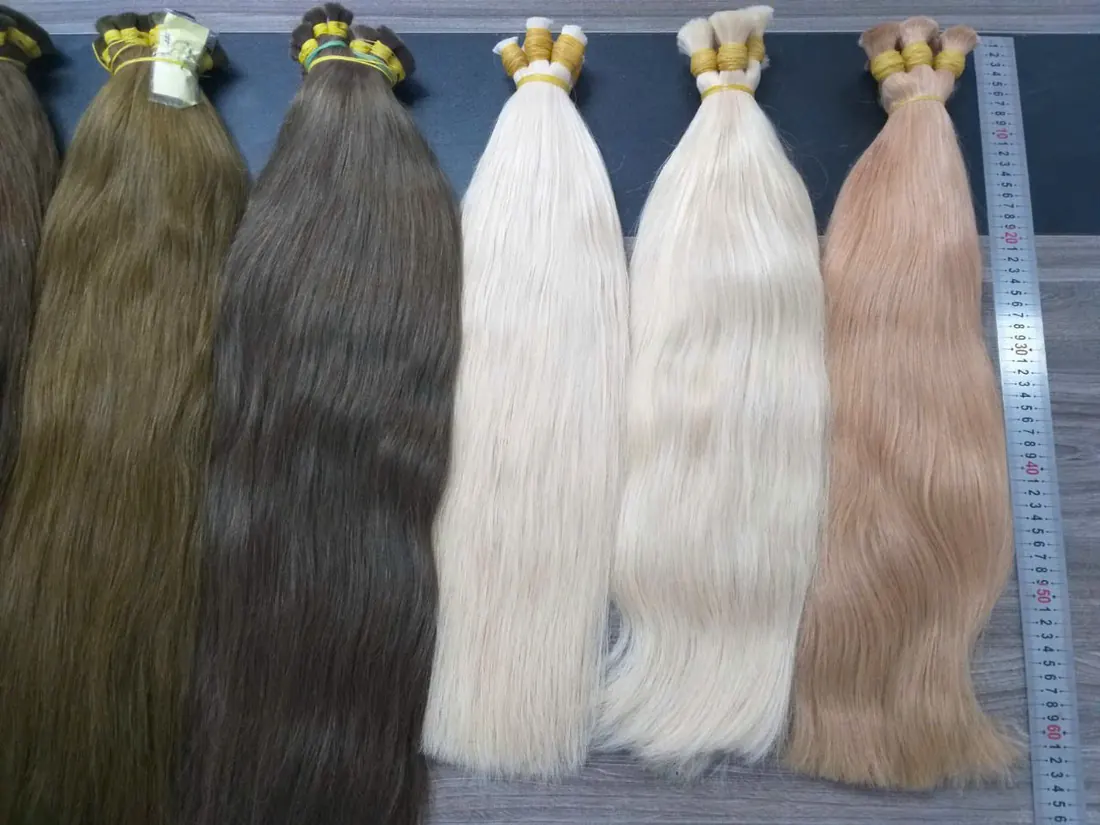
Because we make each piece to order, the hair in your set is selected for you rather than pulled from mixed warehouse stock.
Three questions separate a clear answer from marketing language:
A seller who handles the hair directly can answer all three in plain terms.
Single-donor hair is worth it if you plan to wear your piece often, style it with heat, or blend it with your own hair up close. If you want a piece for a single event and will wear it only once or twice, well-matched mixed hair may be enough.
If you are weighing hair quality against price, our comparison of human hair vs synthetic extensions looks at cost per wear, and our beginner’s guide to at-home hair extensions covers every type you can wear yourself.
Send us a photo of your own hair in daylight through our contact page and we will suggest the closest shade in single-donor hair. Our clip-ins and ponytails are available in our Etsy shop.
Single donor means every strand in a bundle or piece was cut from the same person's head. The hair shares one natural color, one texture and one strand thickness, and it has usually been tied off in a ponytail before cutting so the roots and ends stay aligned in the same direction.
For hair worn next to your own, single-donor hair usually blends better because it has no strand-to-strand differences in texture or tone. Mixed hair can be good quality, but it is combined from several people, so it relies more on processing to look even. Single-donor hair also tends to cost more because supply is limited.
Look closely at a bundle in daylight. Single-donor hair has a consistent natural tone with no strands that are noticeably coarser, finer or a different shade. Ask the seller where the hair is collected and whether each piece is made from one ponytail. A maker who handles the hair directly can answer both questions.